The Future of Ductwork Fabrication in Sustainable HVAC Solutions
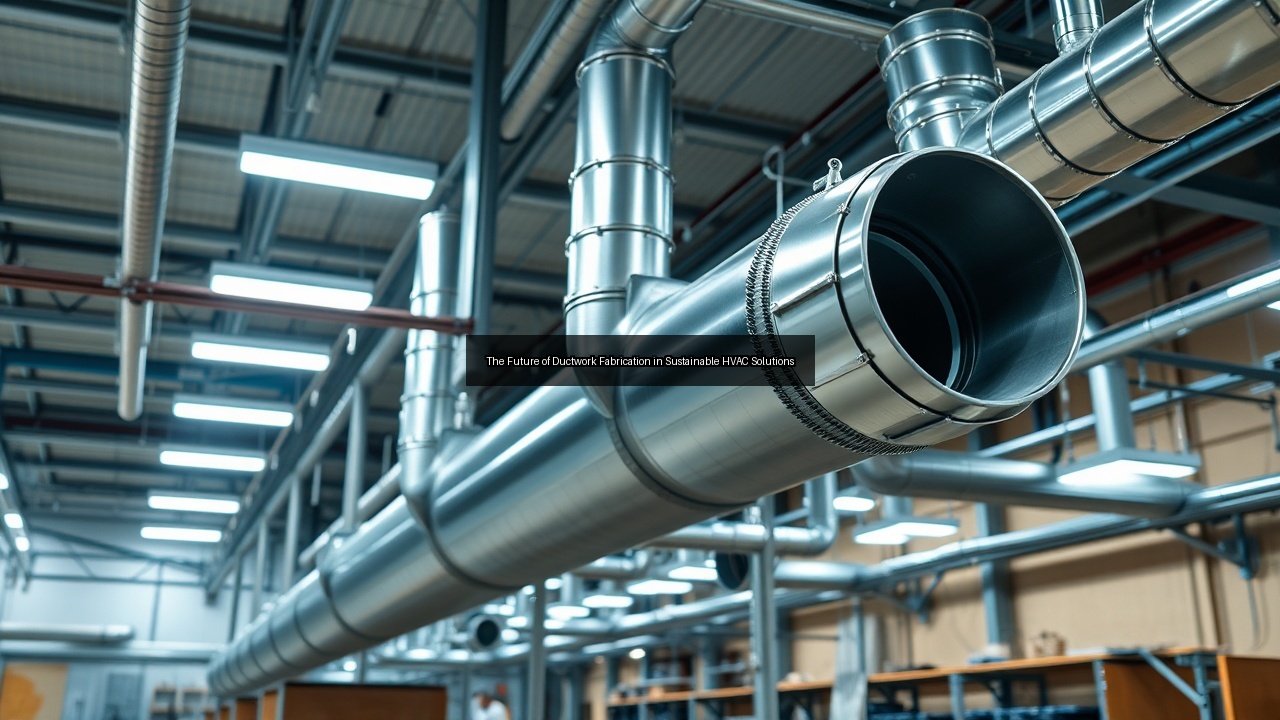
Innovations in Ductwork Fabrication
Advancements in Manufacturing Techniques
Modern ductwork fabrication relies on innovative manufacturing techniques that enhance precision and reduce waste. Traditional methods often involve manual labor and time-consuming processes, leading to inefficiencies. New approaches such as computer-aided design (CAD) and advanced cutting technologies streamline the fabrication process. These innovations allow for custom-fit duct systems that improve overall HVAC performance. Furthermore, digital fabrication techniques enable manufacturers to create intricate designs that optimize airflow, ensuring that air ducts function at peak efficiency. The use of laser cutting and plasma cutting technologies also enhances the accuracy of duct components, minimizing the need for adjustments during installation. As these advancements continue to evolve, they pave the way for more efficient and effective HVAC systems.
The Role of Automation in Fabrication
Automation significantly transforms ductwork fabrication, enhancing productivity and precision. Automated machinery can produce duct components rapidly, reducing labor costs and turnaround times. Robotics play a crucial role in the fabrication process, handling tasks such as welding, assembly, and quality control. This shift allows skilled workers to focus on more complex aspects of design and installation. Automated systems also facilitate the integration of smart technologies, which monitor and adjust airflow dynamically. This synergy between automation and smart technology can lead to HVAC duct systems that not only provide optimal performance but also adapt to changing environmental conditions. As the industry embraces automation, the future of ductwork fabrication looks promising, driving sustainability and efficiency.
Sustainable Materials for Duct Systems
The push for sustainability in HVAC solutions has led to the adoption of environmentally friendly materials in ductwork fabrication. Manufacturers increasingly utilize recycled materials and low-impact production methods to create duct systems that minimize environmental footprints. For instance, sheet metal ductwork made from recycled steel provides durability and efficiency while reducing resource consumption. Additionally, composite materials that offer insulation properties can improve energy efficiency by maintaining desired temperatures within air ducts. Emphasizing sustainable materials not only meets regulatory standards but also appeals to environmentally conscious consumers. As the demand for green building practices grows, the ductwork industry will likely see a continued shift toward innovative materials that support sustainable HVAC solutions.
The Importance of Airflow in HVAC Systems
Optimizing Duct Design for Enhanced Airflow
Effective airflow is crucial for the performance of HVAC systems, directly influencing energy efficiency and indoor air quality. Optimizing duct design plays a vital role in achieving balanced airflow throughout a building. Designers must consider factors such as duct shape, size, and layout to ensure minimal resistance to air movement. Properly designed ducts allow for uniform distribution of conditioned air, which enhances comfort and reduces energy waste. Using software tools like airflow calculators can help engineers simulate different duct configurations and predict airflow patterns. Designers can adjust duct sizes and shapes based on these simulations, ensuring that each area of a building receives adequate air supply. Through careful design and planning, ductwork can significantly improve the overall efficiency of HVAC systems.
Impact of Duct Size on Energy Efficiency
The size of HVAC ducts directly impacts energy efficiency and system performance. Oversized ducts can lead to excessive airflow, resulting in energy waste and noise. Conversely, undersized ducts restrict airflow, causing strain on HVAC systems and reducing their lifespan. Proper sizing is essential for balancing airflow and ensuring optimal performance. Engineers often utilize duct calculators to determine the appropriate dimensions based on factors such as air volume, length, and static pressure. Accurate sizing helps maintain consistent temperatures and humidity levels throughout a space. By focusing on duct size optimization, HVAC professionals can create systems that operate efficiently while enhancing comfort for occupants.
Calculating Duct Length for Optimal Performance
Calculating the length of ducts is another critical factor in maximizing HVAC performance. The length of air ducts influences airflow resistance, which can affect the overall efficiency of the system. Longer ducts typically introduce more friction, leading to pressure drops that hinder airflow. HVAC professionals must consider the layout of each duct run, including bends and turns, which can further complicate airflow dynamics. Tools like duct calculators enable engineers to assess the ideal duct length for various configurations, ensuring that they achieve optimal air distribution. Accurate calculations not only enhance comfort but also contribute to energy savings, as well-designed duct systems require less power to operate duct fabrication services effectively. Proper planning and calculation are vital in creating HVAC duct systems that meet both performance and efficiency standards.
The Future of Duct Systems in Sustainable HVAC Solutions
Integration of Smart Technology in Ductwork
Smart technology integration in ductwork is revolutionizing HVAC systems, enabling greater control and efficiency. Smart thermostats and sensors can monitor indoor conditions in real-time, adjusting airflow based on occupancy and changing temperature requirements. This technology allows for precise control over each zone in a building, maximizing comfort and minimizing energy consumption. Additionally, smart HVAC systems can predict maintenance needs, alerting users to potential issues before they escalate. The data collected from these systems can help inform future ductwork design and optimization efforts. As smart technology becomes more prevalent, duct systems will evolve to become dynamic components of intelligent building environments, enhancing sustainability and user experience.
Emerging Trends in Fabrication Services
The ductwork fabrication industry is witnessing several emerging trends that align with sustainability goals. Prefabrication has gained popularity, allowing manufacturers to produce duct systems off-site, reducing waste and installation time. This method ensures higher quality control and minimizes disruptions at the job site. Moreover, advancements in 3D printing technology are beginning to influence duct fabrication, enabling the production of complex shapes and designs that were previously challenging to achieve. These trends not only streamline the fabrication process but also support the creation of more efficient and environmentally friendly duct systems. As the industry evolves, staying abreast of these trends will be essential for manufacturers and HVAC professionals aiming to enhance sustainability in their offerings.
Case Studies of Successful HVAC Duct Implementations
Numerous case studies illustrate the successful implementation of innovative ductwork solutions in sustainable HVAC systems. For instance, a commercial building in San Francisco adopted a custom duct design that utilized recycled materials and advanced insulation techniques, resulting in a 30% reduction in energy consumption. Another case study highlights a university campus that integrated smart duct systems, allowing for automated adjustments based on occupancy patterns. These implementations demonstrate the potential of modern duct fabrication methods to improve energy efficiency and indoor air quality. As more organizations showcase successful projects, they serve as models for future ductwork designs that prioritize sustainability and efficiency. Learning from these examples will inspire further innovation in HVAC duct systems, paving the way for a greener future.
See Also
- Exploring the Benefits of Professional Duct Fabrication Services
- The Importance of Quality Control in Ductwork Manufacturing
- Common Mistakes in Ductwork Fabrication and How to Avoid Them
- Streamlining the Duct Fabrication Process for Faster Turnarounds
- Integrating Smart Technology into Ductwork Fabrication