Best Practices for Maintaining Your Diesel Tank and Fuel Gauge
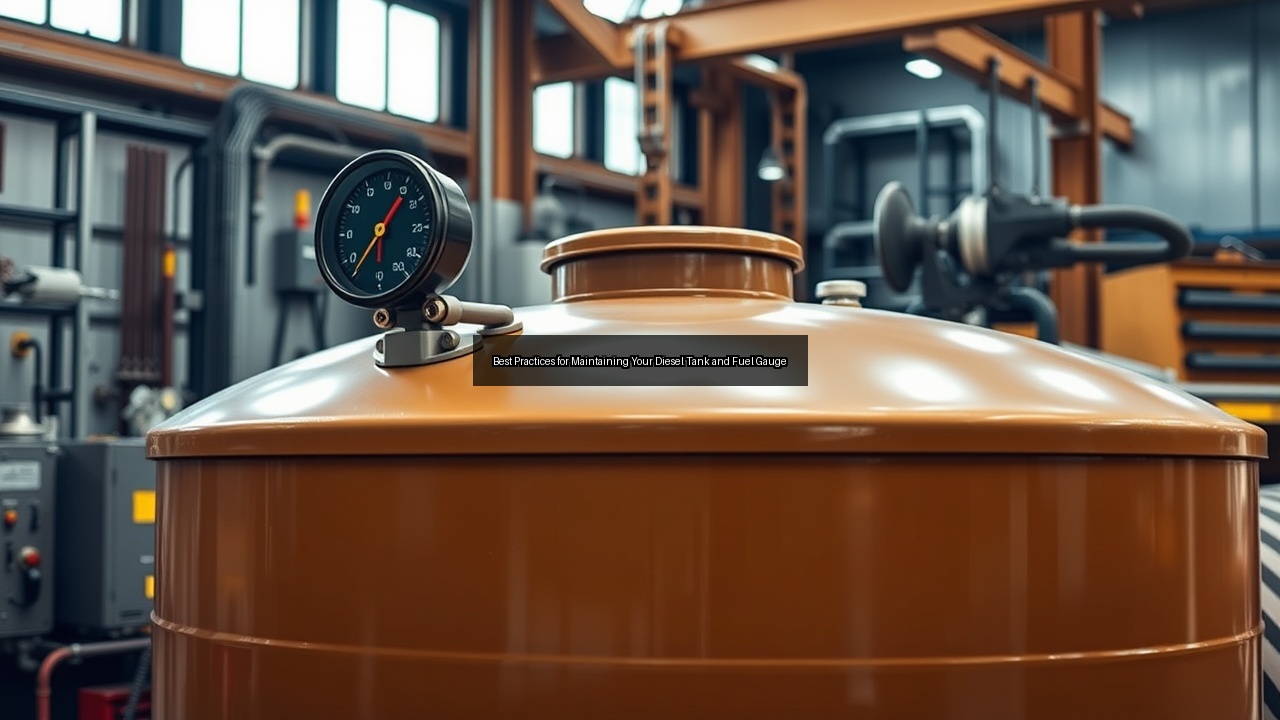
Understanding Diesel Tanks and Their Importance
The Role of Diesel in Modern Engines
Diesel fuel plays a crucial role in powering various types of engines, particularly in commercial vehicles, construction machinery, and other heavy-duty applications. Its high energy density translates into efficiency, making it an ideal choice for long-haul transportation and demanding industrial tasks. Diesel engines operate on a different combustion principle than gasoline engines, utilizing compression ignition, which enhances fuel efficiency and torque output. This efficiency leads to lower operating costs and fewer refueling stops, making diesel engines the preferred choice for many industries. Understanding the dynamics of diesel fuel helps in selecting the right diesel tank and maintaining optimal performance.
Types of Diesel Tanks and Their Applications
Diesel tanks come in various shapes and sizes, designed to cater to specific needs. Aboveground tanks, typically used in commercial settings, offer easy access for refueling and maintenance. Underground tanks, often seen in fuel stations, provide safety and security against environmental hazards. Portable tanks are essential for construction sites and remote locations, enabling easy transport of fuel. Each tank type requires careful consideration of its intended application, local regulations, and environmental impact. Proper selection and maintenance of these diesel tanks ensure efficient fueling and minimize risks associated with fuel storage.
Understanding Fuel Management Systems
Fuel management systems are vital for overseeing fuel consumption, inventory tracking, and ensuring the integrity of diesel tanks. These systems offer real-time data on fuel levels, usage patterns, and even potential leaks. They often integrate with fuel level gauges to provide comprehensive oversight, helping operators make informed decisions about fueling and maintenance. Implementing a robust fuel management system not only enhances operational efficiency but also reduces fuel theft and waste. Investing in the right technology can lead to significant cost savings and improved accountability in managing diesel fuel resources.
Choosing the Right Fuel Level Gauge for Your Diesel Tank
Types of Diesel Level Gauges
Choosing the appropriate fuel level gauge for your diesel tank ensures accurate readings and effective monitoring. Various types of gauges exist, including mechanical, electronic, and ultrasonic models. Mechanical gauges utilize float systems that rise and fall with fuel levels, providing a straightforward visual indication. Electronic gauges offer digital displays and can connect to fuel management systems for remote monitoring. Ultrasonic gauges utilize sound waves to measure fuel levels, providing high accuracy without moving parts. Selecting the right type depends on factors such as tank size, environmental conditions, and the need for integration with other systems.
Factors to Consider When Selecting a Gauge
When selecting a fuel level gauge for your diesel tank, consider factors like accuracy, compatibility, and ease of installation. Accuracy is paramount; a gauge that consistently misreads fuel levels can lead to operational inefficiencies and unexpected outages. Compatibility with your existing fuel management system is also essential, ensuring seamless integration. Additionally, assess the installation diesels requirements, including space constraints and whether professional installation is needed. Durability matters too, especially in harsh environments where temperature fluctuations and exposure to moisture may occur. A well-chosen gauge enhances monitoring capabilities and contributes to effective fuel management.
Installation Tips for Optimal Performance
Installing a fuel level gauge correctly maximizes its performance and lifespan. Begin with a thorough assessment of your diesel tank and gauge specifications to ensure compatibility. Follow the manufacturer's guidelines for installation, paying close attention to positioning and secure fittings. Properly calibrate the gauge after installation to ensure accurate readings. Regularly check connections and functionality, particularly if the tank experiences significant temperature changes. Implementing these installation tips allows for optimal performance, providing reliable data essential for efficient fueling and monitoring your diesel tank.
Best Practices for Maintaining Your Diesel Tank
Regular Inspection and Maintenance Procedures
Regular inspections and maintenance of your diesel tank are crucial for ensuring safe and efficient operation. Schedule routine checks to monitor for leaks, corrosion, and sediment buildup. Inspect hoses, connections, and the tank's exterior for any signs of wear. Implementing a maintenance log helps track inspections and repairs, ensuring no critical tasks are overlooked. Additionally, consider professional inspections annually to evaluate the tank's integrity and compliance with safety regulations. Proactive maintenance minimizes risks and prolongs the lifespan of your diesel tank, preventing costly repairs and operational disruptions.
Cleaning Your Diesel Tank: When and How
Cleaning your diesel tank is essential to maintain fuel quality and ensure the efficient operation of your diesel engine. Over time, sediments can accumulate, leading to potential clogging in filters and injectors. Schedule cleaning every two to three years, or more frequently if you notice fuel quality issues. Begin the cleaning process by draining the tank and removing any residual fuel. Use specialized cleaning solutions and equipment to eliminate sludge and contaminants. After cleaning, inspect the tank for damage and ensure proper ventilation during the process. Adhering to these guidelines helps maintain clear diesel, safeguarding your engine's performance.
Managing Fuel Quality: The Importance of Clear Diesel
Fuel quality directly impacts the efficiency and reliability of diesel engines. Using clear diesel minimizes the risks associated with contamination, such as corrosion and reduced combustion efficiency. Regularly test the fuel for water content and microbial growth, which can compromise quality. Employing additives designed to enhance fuel stability can also prolong the life of your diesel fuel. Proper storage and maintenance practices contribute to maintaining clear diesel, ensuring your engine runs smoothly and efficiently. In the long run, prioritizing fuel quality saves costs associated with repairs and enhances overall performance.
Cost-Effective Fueling Strategies for Diesel Engines
Maximizing Fuel Efficiency Through Proper Gauge Usage
Proper usage of a fuel level gauge for your diesel tank significantly contributes to maximizing fuel efficiency. Regularly monitoring fuel levels prevents overfilling and minimizes waste. Understanding consumption patterns through accurate readings enables operators to plan fueling schedules effectively, reducing unnecessary trips to the pump. Moreover, using real-time data from electronic gauges allows for immediate adjustments in fueling strategies, ensuring optimal usage. Implementing these practices not only enhances fuel efficiency but also leads to significant cost savings over time.
Reducing Costs with Effective Fuel Management
Effective fuel management strategies reduce overall costs associated with diesel consumption. Monitoring fuel usage with a fuel management system helps identify trends and areas for improvement. Implementing a regular maintenance schedule ensures equipment operates efficiently, reducing fuel waste. Consider bulk purchasing of diesel to take advantage of lower prices, and always prioritize quality to avoid costly repairs. Training staff on efficient fueling practices also contributes to cost reduction. Overall, an integrated approach to fuel management leads to sustainable savings while ensuring operational efficiency.
The Impact of Diesel Quality on Overall Costs
Diesel quality affects not only engine performance but also overall operational costs. Poor quality fuel can lead to higher maintenance expenses, increased downtime, and more frequent repairs. Contaminated fuel results in clogged filters and injectors, which can decrease engine efficiency and lead to costly replacements. Investing in high-quality diesel and maintaining clear diesel standards significantly improves engine performance and longevity. Additionally, regular monitoring of fuel quality can prevent issues before they escalate, leading to lower overall costs. Prioritizing diesel quality is a key strategy for maximizing operational efficiency and profitability.
See Also
- Understanding the Importance of Accurate Fuel Level Gauges for Diesel Tanks
- Innovative Technologies in Diesel Tank Gauging Systems
- The Role of Fuel Level Gauges in Reducing Diesel Fuel Costs
- How to Choose the Right Diesel Tank Gauge for Your Fuel Management Needs
- Comparing Digital and Analog Gauges for Diesel Fuel Monitoring