Essential Maintenance Tips for Your Flux Oven
Understanding Your Flux Oven
What is a Flux Oven?
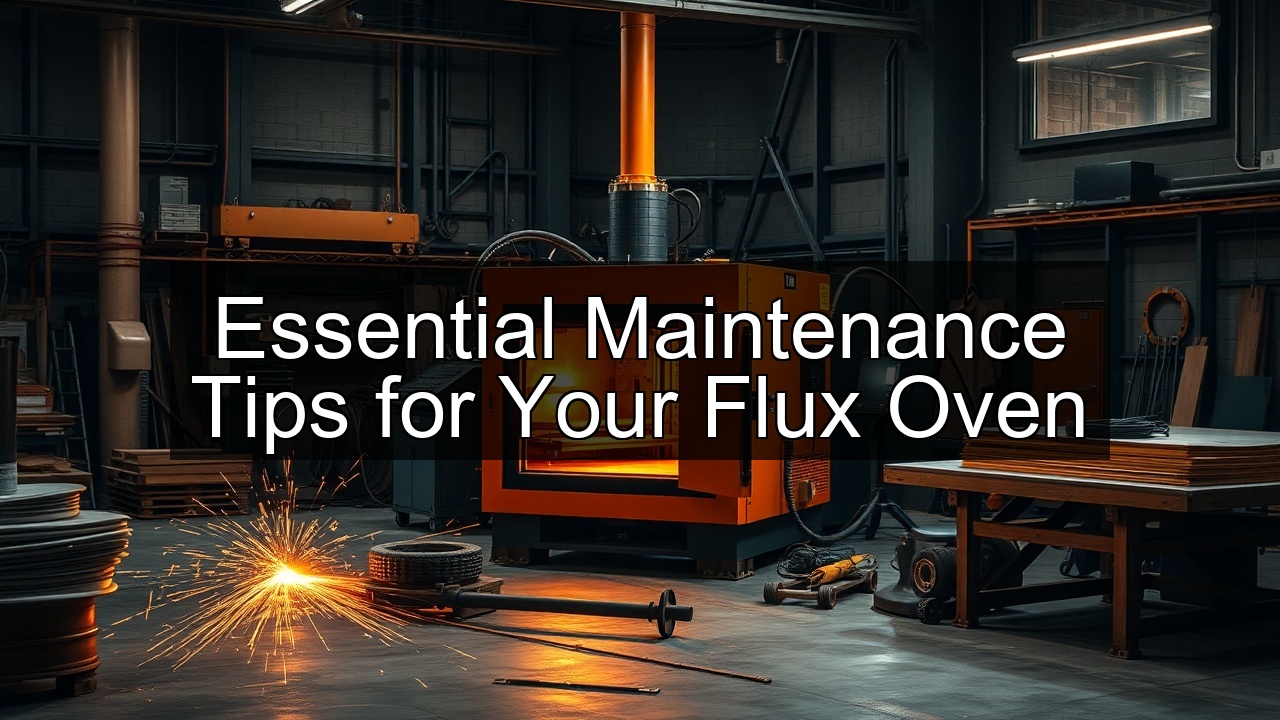
A flux oven is an essential tool in the welding industry, specifically designed for the storage and heating of welding flux. This specialized oven maintains flux at optimal temperatures, ensuring that the material retains its properties for effective welding. Flux ovens prevent moisture absorption, which can significantly impact the performance of welding processes, particularly in submerged arc welding applications. By maintaining a controlled environment, these ovens enhance the quality of welds, reduce defects, and optimize the use of welding materials.
Key Components of a Flux Oven
Understanding the key components of a flux oven proves vital for proper maintenance and operation. Most flux ovens feature a robust heating element capable of reaching temperatures of 550°F and beyond. Thermostats and temperature sensors provide feedback on the internal environment, allowing for precise control. Insulated walls help maintain temperature consistency while reducing energy consumption. Additionally, many modern ovens include automated features that enable monitoring and adjustments via digital interfaces. A cart system is often integrated to facilitate easy loading and unloading of flux containers, which can weigh up to 200 lbs or more. Understanding these components allows operators to troubleshoot and maintain the oven effectively.
Common Variations in Flux Ovens
Flux ovens come in various forms, tailored to meet specific welding needs. Some manufacturers offer portable options, suited for job sites, while others provide larger, stationary models designed for heavy-duty use in manufacturing environments. Certain ovens are engineered for specific types of flux, such as those used in wire or electrode welding applications. Additionally, brands like Gullco and others offer models with advanced automation that enhance efficiency and reduce manual handling. Understanding these variations helps users select the right oven that aligns with their specific welding processes and environmental conditions.
Maintenance Best Practices for Flux Ovens
Regular Cleaning and Inspection
Regular cleaning and inspection of a flux oven are critical to ensuring its longevity and optimal performance. Begin by scheduling routine cleanings, ideally after every significant usage period. Remove any residual flux that may have accumulated inside the oven, paying special attention to heating elements and interior surfaces. A damp cloth and mild detergent work well for cleaning without damaging components. Inspect seals and gaskets for wear and tear, as these parts are essential for maintaining temperature control. Keep an eye on the wiring for fraying or damage that can lead to electrical faults. Performing these maintenance tasks helps prevent costly repairs and downtime while ensuring consistent heating performance.
Temperature Calibration Techniques
Temperature calibration in a flux oven is vital for optimal welding performance. Begin by utilizing a reliable thermometer to verify the oven's internal temperature against the set point. If discrepancies arise, recalibration may be necessary. Adjust the thermostat settings accordingly, and allow the oven to stabilize before retesting. For those with automated systems, ensure that software settings reflect accurate temperature readings. Keep a log of temperature settings and any adjustments made, as this provides valuable data for future reference. Regular calibration not only maintains the oven's efficiency but also enhances the quality of welds produced, ensuring compliance with engineering standards.
Wiring and Electrical Checks
Wiring and electrical checks are essential for maintaining a safe and functional flux oven. Regularly inspect all electrical connections, looking for signs of corrosion, fraying, or loose connections. A multimeter can help test the continuity of circuits and ensure that all components receive the appropriate voltage. Pay special attention to the heating elements, as they can wear over time and require replacement. If any issues arise, consult the manufacturer's specifications for troubleshooting guidance. Proper electrical maintenance minimizes the risk of oven failure and enhances the overall safety of the welding operation.
Optimizing Performance for Welding Applications
Choosing the Right Welding Flux
The choice of welding flux directly impacts the quality of welds and the efficiency of the flux oven. Selecting the appropriate flux involves considering the specific welding application and the materials being welded. For instance, different types of flux are available for various welding processes, such as submerged arc welding or MIG welding. Look for flux that matches the wire or electrode specifications to achieve optimal bonding and strength. High-quality flux reduces slag formation and enhances the overall appearance of the weld. Proper use of flux not only improves the quality of work but also extends the life of the welding machine and components.
Understanding Heat Settings: 550°F and Beyond
Heat settings play a crucial role in the effectiveness of a flux oven. Maintaining temperatures around 550°F ensures that flux maintains its chemical properties without degrading. For certain applications, higher temperatures may be necessary, but caution is required to avoid overheating, which can lead to flux degradation. Regularly monitor the temperature using built-in sensors or external thermometers to confirm accuracy. Understanding the heat settings and their implications helps welders achieve superior results while minimizing the risk of defects. Proper temperature management contributes to consistent weld quality and overall project success.
Automation in Flux Ovens: Enhancing Efficiency
Automation in flux ovens significantly enhances operational efficiency and reduces manual labor. Modern ovens often integrate automated features that monitor temperature, humidity, and flux levels, providing real-time feedback to operators. This level of automation allows for precise adjustments and ensures that the welding materials are always maintained at optimal conditions. Many brands, including Gullco, offer models that connect to centralized monitoring systems, enabling operators to manage multiple ovens simultaneously. Implementing automation not only streamlines the welding process but also reduces the likelihood of human error, leading to higher quality welds and improved productivity.
Troubleshooting Common Issues
Feedback Mechanisms and Performance Monitoring
Effective feedback mechanisms are essential for identifying and resolving performance issues in a flux oven. Many modern ovens come equipped with digital displays that provide real-time data on temperature and humidity levels. Operators should flux oven variations familiarize themselves with these indicators and regularly monitor them for any anomalies. If the feedback mechanisms indicate irregular temperature fluctuations or inconsistent heating patterns, inspect the heating elements and thermostat for potential faults. Implementing a routine check of these systems ensures that the oven operates within the desired parameters, which directly impacts welding quality.
Inventory Management for Flux and Electrode Supplies
Inventory management plays a crucial role in maintaining a smooth welding operation. Keep a well-organized stock of flux and electrode supplies to avoid interruptions during projects. Implement a tracking system that monitors usage rates, ensuring that materials are always available when needed. Regularly review inventory levels and reorder supplies proactively, especially for high-demand items. Establish relationships with reliable manufacturers and suppliers to ensure timely delivery of quality materials. Efficient inventory management not only minimizes downtime but also supports optimal performance in welding applications.
When to Consult Manufacturers: A Guide
Consulting manufacturers can provide invaluable insights when faced with persistent issues or when considering upgrades. If troubleshooting efforts fail to resolve problems, or if you notice significant changes in oven performance, reach out to the manufacturer for guidance. They can provide technical support and recommend solutions tailored to your specific model. Additionally, if you're evaluating the effectiveness of your flux oven in relation to new welding techniques, manufacturers can offer advice on the latest technology and best practices. Building a relationship with manufacturers ensures that you stay informed about advancements in flux oven technology and maintenance strategies.